Resumo
Definição
História e exame físico
Principais fatores diagnósticos
- história ou diagnóstico atual de trombose vascular
- história de perda gestacional
- história de morbidade associada à gestação
Outros fatores diagnósticos
- história de lúpus eritematoso sistêmico
- características da trombocitopenia
- artralgia/artrite
- livedo reticular
- história de outros distúrbios reumatológicos ou doenças do tecido conjuntivo
- sopro cardíaco
- edema
- convulsão, cefaleia, perda de memória, sinais de mielopatia transversa
- desconforto nos membros, edema, descoloração da pele e úlceras
Fatores de risco
- história de lúpus eritematoso sistêmico
- história de outros distúrbios reumatológicos autoimunes
- história de outras doenças autoimunes
- história de distúrbios hematológicos autoimunes
Investigações diagnósticas
Primeiras investigações a serem solicitadas
- anticoagulante lúpico
- anticorpos anticardiolipina
- anticorpos anti-beta 2-glicoproteína I
- fator antinuclear, anticorpos para o ácido desoxirribonucleico (DNA) de fita dupla e para o antígeno nuclear extraível
- Hemograma completo
- creatinina e ureia
Investigações a serem consideradas
- ultrassonografia Doppler venosa
- venografia ou ressonância nuclear magnética (RNM)
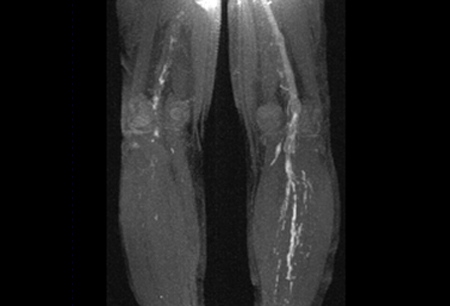
- RNM da trombose
- angiotomografia do tórax
- cintilografia de ventilação/perfusão (V/Q)
- ressonância nuclear magnética (RNM) de crânio
- ecocardiografia
- exame de trombofilia hereditária
Algoritmo de tratamento
não gestante com trombose aguda
gestante
síndrome antifosfolipídica (SAF) catastrófica (gestante ou não gestante)
anticorpos antifosfolipídeos incidentais
Colaboradores
Autores
Damon Houghton, MD, MS
Associate Professor of Medicine
Mayo Clinic
Gonda Vascular Center
Department of Internal Medicine, Division of Hematology & Department of Cardiovascular Diseases, Division of Vascular Medicine
Rochester
MN
Declarações
DH has received clinical research support from Veralox and Bayer.
Ana I. Casanegra, MD, MS
Associate Professor of Medicine
Mayo Clinic
Gonda Vascular Center
Department of Cardiovascular Diseases, Division of Vascular Medicine
Rochester
MN
Declarações
AC declares that she has no competing interests.
Alí Duarte-García, MD, MSc
Assistant Professor of Medicine
Mayo Clinic
Department of Internal Medicine, Division of Rheumatology
Rochester
MN
Declarações
AD declares that he has no competing interests.
Agradecimentos
Dr Damon Houghton, Dr Ana I. Casanegra and Dr Alí Duarte-García would like to gratefully acknowledge Dr Karen A. Breen and Dr Beverley J. Hunt, the previous contributors to this topic. KAB has performed consultancy work for Bayer/Pfizer. BJH is Medical Director of Thrombosis UK and chair of the steering committee for World Thrombosis Day. BJH is an author of a reference cited in this topic.
Revisores
Kuntal Chakravarty, FRCP (London), FRCP (Glasgow), FRCP (Ireland), FACP (USA), FACR (USA)
Consultant Rheumatologist
BHRT University Hospital
Queen’s Hospital
Romford
UK
Declarações
KC declares that he has no competing interests.
Alan Lichtin, MD
Staff Hematologist
Cleveland Clinic Taussig Cancer Center
Cleveland
OH
Declarações
AL declares that he has no competing interests.
Créditos aos pareceristas
Os tópicos do BMJ Best Practice são constantemente atualizados, seguindo os desenvolvimentos das evidências e das diretrizes. Os pareceristas aqui listados revisaram o conteúdo pelo menos uma vez durante a história do tópico.
Declarações
As afiliações e declarações dos pareceristas referem--se ao momento da revisão.
Referências
Principais artigos
Miyakis S, Lockshin MD, Atsumi T, et al. International consensus statement on an update of the classification criteria for definite antiphospholipid syndrome (APS). J Thromb Haemost. 2006 Feb;4(2):295-306.Texto completo Resumo
Barbhaiya M, Zuily S, Naden R, et al. 2023 ACR/EULAR antiphospholipid syndrome classification criteria. Ann Rheum Dis. 2023 Oct;82(10):1258-70.Texto completo Resumo
Tektonidou MG, Andreoli L, Limper M, et al. EULAR recommendations for the management of antiphospholipid syndrome in adults. Ann Rheum Dis. 2019 Oct;78(10):1296-304.Texto completo Resumo
Sammaritano LR, Bermas BL, Chakravarty EE, et al. 2020 American College of Rheumatology guideline for the management of reproductive health in rheumatic and musculoskeletal diseases. Arthritis Rheumatol. 2020 Apr;72(4):529-56.Texto completo Resumo
American College of Obstetricians and Gynecologists. ACOG practice bulletin no. 132: antiphospholipid syndrome. Dec 2012 [internet publication].Texto completo
Artigos de referência
Uma lista completa das fontes referenciadas neste tópico está disponível para os usuários com acesso total ao BMJ Best Practice.
Diagnósticos diferenciais
- Síndrome de Sneddon
- Trombofilia hereditária
Mais Diagnósticos diferenciaisDiretrizes
- ACR/EULAR antiphospholipid syndrome classification criteria
- 2020 American College of Rheumatology guideline for the management of reproductive health in rheumatic and musculoskeletal disease
Mais DiretrizesFolhetos informativos para os pacientes
Trombose venosa profunda
Mais Folhetos informativos para os pacientes Conectar-se ou assinar para acessar todo o BMJ Best Practice
O uso deste conteúdo está sujeito ao nosso aviso legal