შეჯამება
განსაზღვრება
ანამნეზი და გასინჯვა
ძირითადი დიაგნოსტიკური ფაქტორები
- რისკ-ფაქტორების არსებობა
- ცნობილია,როგორც ლეგიონელას გაცნობა
- ცხელება
- თავის ტკივილი
- ხიხინი
სხვა დიაგნოსტიკური ფაქტორები
- პროდუქტიული ხველა
- ქოშინი
- გულისრევა/ღებინება
- მუცლის ტკივილი
- ჰიპოქსია
- ტაქიკარდია
რისკფაქტორები
- არამუნიციპალური წყალი
- მილების შეკეთება
- მოწევა
- ციტოტოქსიური ქიმიოთერაპია
- ფილტვის ტრანსპლანტაციის მიმღები.
- კორტიკოსტეროიდები
- წყლის ელექტრული გამაცხელებელი
- მუშაობა კვირაში >40 საათი
- ახლო წარსულში მოგზაურობა
- შაქრიანი დიაბეტი
- პროფესიონალი მძღოლი
- ჯაკუზის გამოყენება
- წყლის გამაციებელ დაწესებულებასთან ახლოს ცხოვრება
- ონკანის წყლით ნებულაიზერის, ჰაერის დამანოტიებელის, ვენტილატორის მილის ან ლავაჟის ხელსაწყოების ავსება
- დეკორატიულ შადრევანთან სიახლოვე
- Legionella pneumophila-ით დაბინძურებული ყინულის მოხმარება
- წყალში მშობიარობა
- დაბინძურებულ კომპოსტთან ექსპოზიცია
- წვიმის წყალზე ექსპოზიცია
დიაგნოსტიკური კვლევები
1-ად შესაკვეთი გამოკვლევები
- FBC
- სრული მეტაბოლური პანელი
- გულმკერდის რენტგენოგრაფია (რენტგენი)
- მუცლის კომპიუტერული ტომოგრაფია
- Legionella pneumophila სეროჯგუფი 1-ის ანტიგენის განსაზღვრა შარდში
- ნახველის შეღებვა გრამის წესით
- კულტივირება
გასათვალისწინებელი კვლევები
- პოლიმერაზული ჯაჭვური რეაქცია Legionella pneumophila-ზე
- Legionella pneumophila-ს სეროლოგია
მკურნალობის ალგორითმი
Legionella-ს მსუბუქი/საშუალო პნევმონია
ლეგიონელას პნევმონიის მძიმე ფორმა ან არ არის პასუხი საწყის თერაპიაზე.
კონტრიბუტორები
ავტორები
Forest W. Arnold, DO, MSc, FIDSA

Professor of Medicine
Division of Infectious Diseases
Department of Medicine
School of Medicine
University of Louisville
Louisville
KY
გაფრთხილება:
FWA has received grants from the National Institutes of Health, Health Resources and Services Administration, as well as Pfizer, Covarsa, Merck, and Gilead pharmaceutical companies.
მადლიერება
Dr Forest W. Arnold would like to gratefully acknowledge Dr Allen Griffin, a previous contributor to this topic.
გაფრთხილება:
AG declares that he has no competing interests.
რეცენზენტები
Victor L. Yu, MD
Professor of Medicine
University of Pittsburgh
Pittsburgh
PA
გაფრთხილება:
VLY declares that he has no competing interests.
რეცენზენტების განცხადებები
BMJ Best Practice-ის თემების განახლება სხვადასხვა პერიოდულობით ხდება მტკიცებულებებისა და რეკომენდაციების განვითარების შესაბამისად. ქვემოთ ჩამოთვლილმა რეცენზენტებმა თემის არსებობის მანძილზე კონტენტს ერთხელ მაინც გადახედეს.
გაფრთხილება
რეცენზენტების აფილიაციები და გაფრთხილებები მოცემულია გადახედვის მომენტისთვის.
წყაროები
ძირითადი სტატიები
Phin N, Parry-Ford F, Harrison T, et al. Epidemiology and clinical management of Legionnaires' disease. Lancet Infect Dis. 2014 Oct;14(10):1011-21.სრული ტექსტი აბსტრაქტი
Centers for Disease Control and Prevention. CDC Yellow Book 2024: health information for international travel. Section 5: travel-associated infections & diseases (bacterial) - legionnaires' disease & pontiac fever. May 2023 [internet publication].სრული ტექსტი
US Centers for Disease Control and Prevention. Legionella (Legionnaires' disease and pontiac fever): diagnosis, treatment, & prevention. March 2021 [internet publication].სრული ტექსტი
Metlay JP, Waterer GW, Long AC, et al. Diagnosis and treatment of adults with community-acquired pneumonia. An official clinical practice guideline of the American Thoracic Society and Infectious Diseases Society of America. Am J Respir Crit Care Med. 2019 Oct 1;200(7):e45-67.სრული ტექსტი აბსტრაქტი
გამოყენებული სტატიები
ამ თემაში მოხსენიებული წყაროების სრული სია ხელმისაწვდომია მომხმარებლებისთვის, რომლებსაც აქვთ წვდომა BMJ Best Practice-ის ყველა ნაწილზე.
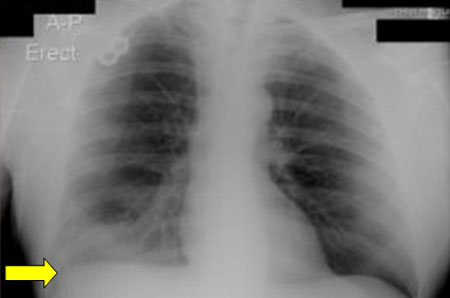
დიფერენციული დიაგნოზები
- 2019 წლის კორონავირუსით გამოწვეული დაავადება (COVID-19)
- ბაქტერიული პნევმონია
- ჰოსპიტალური (ნოზოკომიური) პნევმონია
მეტი დიფერენციული დიაგნოზებიგაიდლაინები
- Pneumonia in adults: diagnosis and management
- Infectious Diseases Society of America/American Thoracic Society consensus guidelines on the management of community-acquired pneumonia in adults
მეტი გაიდლაინებიკალკულატორები
არაჰოსპიტალური პნევმონიის სიმძიმის ინდექი (PSI) მოზრდილებში.
CURB-65 პნევმონიის სიმძიმის სკალა
მეტი კალკულატორები შედით სისტემაში ან გამოიწერეთ BMJ Best Practice
ამ მასალის გამოყენება ექვემდებარება ჩვენს განცხადებას