შეჯამება
განსაზღვრება
ანამნეზი და გასინჯვა
ძირითადი დიაგნოსტიკური ფაქტორები
- კონსტიტუციური სიმპტომები
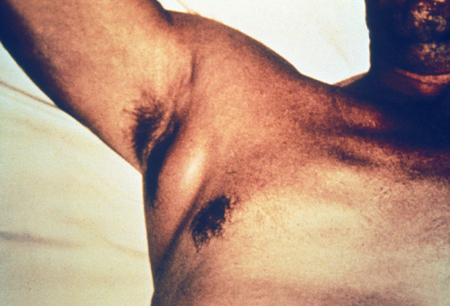
- ლიმფადენიტი (ბუბონური შავი ჭირი)
- სისხლიანი ხველა (შავი ჭირის ფილტვის ფორმა)
- ფაღარათი (იერსინიოზი)
- მუცლის ტკივილი (იერსინიოზი)
სხვა დიაგნოსტიკური ფაქტორები
- პლევრიტისთვის დამახასიათებელი ტკივილი გულმკერდის არეში (შავი ჭირის ფილტვის ფორმა)
- დისპნოე (შავი ჭირის ფილტვის ფორმა)
რისკფაქტორები
- რწყილებთან ექსპოზიცია (შავი ჭირი)
- ენდემურ რაიონებში (შავი ჭირი) ცხოვრება ან მოგზაურობა
- კონტაქტი ინფიცირებულ ცხოველებთან (შავი ჭირი)
- ბიოტერორიზმი (ჭირი)
- მცირეწლოვანი ბავშვები (იერსინიოზი)
- უმი ან თერმულად არასაკმარისად დამუშავებული ღორის ხორცის პროდუქტების მიღება (იერსინიოზი)
- შავი ჭირით ინფიცირებულ ადამიანებთან ექსპოზიცია (შავი ჭირი)
- რკინის ცვლის დარღვევები (იერსინიოზი)
- ღვიძლის ქრონიკული დაავადება, დიაბეტი, ალკოჰოლიზმი (იერსინიოზი)
დიაგნოსტიკური კვლევები
1-ად შესაკვეთი გამოკვლევები
- სისხლის კულტურა (შავი ჭირი)
- ბუბონების ასპირატების კულტურა (ბუბონური შავი ჭირი)
- ნახველის კულტურა (შავი ჭირის ფილტვის ფორმა)
- ცერებროსპინალური სითხის კულტურა (სეპტიცემიური ჭირი)
- ყელის ნაცხის ნიმუშის კულტურა (ფარინგეალური ჭირი)
- ანტიგენის აღმოჩენა (შავი ჭირი)
- ლეიკოციტების რაოდენობა (შავი ჭირი)
- გულმკერდის რენტგენი (ფიტლვის ფორმა)
- განავლის კულტურა (იერსინიოზი)
გასათვალისწინებელი კვლევები
- სეროლოგია (ჭირი ან იერსინიოზი)
- პოლიმერაზული ჯაჭვური რეაქცია (ჭირი)
მკურნალობის ალგორითმი
პნევმონიური ან სეპტიცემიური ჭირი: არაორსული მოზრდილები და ბავშვები
ბუბონური ან ფარინგეალური ჭირი: არაორსული მოზრდილები და ბავშვები
პნევმონიური, სეპტიცემიური, ბუბონური ან ფარინგეალური ჭირი: ორსული
მენინგეალური ჭირი
იერსინიოზი
კონტრიბუტორები
ავტორები
John Williams, MRCP, DTM&H, Dip HIV Med

Consultant Infectious Diseases Physician
Department of Infection and Travel Medicine
The James Cook University Hospital
Middlesbrough
UK
გაფრთხილება:
JW declares that he has no competing interests.
რეცენზენტები
Vladimir L. Motin, PhD
Professor
Pathology/Microbiology and Immunology
University of Texas Medical Branch
Galveston
TX
გაფრთხილება:
VLM declares that he has no competing interests.
Waleed Javaid, MD, FACP, FIDSA
Associate Professor
Medical Director of Infection Control
Infectious Disease
Department of Medicine
SUNY Upstate Medical University
Syracuse
NY
გაფრთხილება:
WJ declares that he has no competing interests.
Alistair Leanord, BSc, MBChB, MD, DTM&H, FRCPath
Consultant Microbiologist
Microbiology Department
Southern General Hospital
Glasgow
UK
გაფრთხილება:
AL declares that he has no competing interests.
Janak Koirala, MD
Associate Professor of Medicine
Division of Infectious Diseases
Department of Internal Medicine
Southern Illinois University School of Medicine
Springfield
IL
გაფრთხილება:
JK declares that he has no competing interests.
რეცენზენტების განცხადებები
BMJ Best Practice-ის თემების განახლება სხვადასხვა პერიოდულობით ხდება მტკიცებულებებისა და რეკომენდაციების განვითარების შესაბამისად. ქვემოთ ჩამოთვლილმა რეცენზენტებმა თემის არსებობის მანძილზე კონტენტს ერთხელ მაინც გადახედეს.
გაფრთხილება
რეცენზენტების აფილიაციები და გაფრთხილებები მოცემულია გადახედვის მომენტისთვის.
წყაროები
ძირითადი სტატიები
World Health Organization. WHO guidelines for plague management. May 2021 [internet publication].სრული ტექსტი
Nelson CA, Meaney-Delman D, Fleck-Derderian S, et al. Antimicrobial treatment and prophylaxis of plague: recommendations for naturally acquired infections and bioterrorism response. MMWR Recomm Rep. 2021 Jul 16;70(3):1-27.სრული ტექსტი აბსტრაქტი
გამოყენებული სტატიები
ამ თემაში მოხსენიებული წყაროების სრული სია ხელმისაწვდომია მომხმარებლებისთვის, რომლებსაც აქვთ წვდომა BMJ Best Practice-ის ყველა ნაწილზე.
დიფერენციული დიაგნოზები
- გრამ-უარყოფითი სეფსისი
- ბაქტერიული პნევმონია
- კატის ნაკაწრის დაავადება
მეტი დიფერენციული დიაგნოზებიგაიდლაინები
- CDC Yellow Book: health information for international travel - yersiniosis
- CDC Yellow Book: health information for international travel - plague
მეტი გაიდლაინებიპაციენტის ბროშურები
Appendicitis
Diarrhoea in adults
მეტი პაციენტის ბროშურები შედით სისტემაში ან გამოიწერეთ BMJ Best Practice
ამ მასალის გამოყენება ექვემდებარება ჩვენს განცხადებას