Summary
Definition
History and exam
Key diagnostic factors
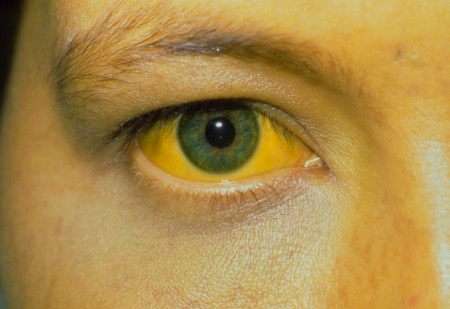
- jaundice/scleral icterus
- asterixis
Other diagnostic factors
- asymptomatic
- malaise
- fatigue
- right upper quadrant tenderness
- fever
- anorexia
- nausea/vomiting
- arthralgia/arthritis
- abdominal pain
- diarrhea
- neurologic manifestations
- signs of coagulopathy
Risk factors
- born or living in or travel to geographic regions where HEV is endemic
- immunosuppression
- infected mother (for fetus)
- person-to-person transmission
- occupational exposure
- blood/blood products transfusion
- organ transplantation (if organ donor is HEV-positive)
Diagnostic tests
1st tests to order
- serum antibody to HEV
- HEV RNA nucleic acid amplification techniques (NAATs)
- serologic tests for other causes of viral hepatitis
- liver biochemistries
- CBC
- basic metabolic panel
- coagulation profile
Tests to consider
- abdominal ultrasound
- CT/MRI
- liver biopsy
Treatment algorithm
acute HEV infection
chronic HEV infection: nonpregnant
chronic HEV infection: pregnant
Contributors
Authors
Jawad Ahmad, MD, FRCP, FAASLD
Professor of Medicine
Division of Liver Diseases
Mount Sinai Hospital
New York, NY
Disclosures
JA declares that he has no competing interests.
Peer reviewers
Scott J. Cotler, MD
Professor of Medicine
Director, Division of Hepatology
Loyola University Medical Center
Maywood, IL
Disclosures
SJC declares that he has no competing interests.
David John Mutimer, MBBS, MD
Professor of Clinical Hepatology
University of Birmingham
Birmingham
UK
Disclosures
DJM declares that he has no competing interests.
Peer reviewer acknowledgements
BMJ Best Practice topics are updated on a rolling basis in line with developments in evidence and guidance. The peer reviewers listed here have reviewed the content at least once during the history of the topic.
Disclosures
Peer reviewer affiliations and disclosures pertain to the time of the review.
References
Key articles
World Health Organization. Waterborne outbreaks of hepatitis E: recognition, investigation and control: technical report. Jul 2014 [internet publication].Full text
European Association for the Study of the Liver. EASL clinical practice guidelines on hepatitis E virus infection. J Hepatol. 2018 Jun;68(6):1256-71.Full text Abstract
Miller JM, Binnicker MJ, Campbell S, et al. Guide to utilization of the microbiology laboratory for diagnosis of infectious diseases: 2024 update by the Infectious Diseases Society of America (IDSA) and the American Society for Microbiology (ASM). Clin Infect Dis. 2024 Mar 5:ciae104.Full text Abstract
Reference articles
A full list of sources referenced in this topic is available to users with access to all of BMJ Best Practice.
Differentials
- Acute viral hepatitis A
- Acute viral hepatitis B
- Acute viral hepatitis C
More DifferentialsGuidelines
- Hepatitis E outbreak toolbox
- Clinical practice guidelines on hepatitis E virus infection
More Guidelines Log in or subscribe to access all of BMJ Best Practice
Use of this content is subject to our disclaimer