Treatment algorithm

Please note that formulations/routes and doses may differ between drug names and brands, drug formularies, or locations. Treatment recommendations are specific to patient groups: see disclaimer

ACUTE

presumed atypical bacterial pneumonia: nonpregnant adult

Back
1st line – 

macrolide

Macrolides (e.g., azithromycin, clarithromycin) cover all common atypical pathogens as well as many of the other causes of community-acquired pneumonia. However, local resistance patterns should be taken into account before selecting a macrolide as an option, particularly in outpatient settings.[18]

If the patient is unable to take drugs orally, intravenous formulations may be available; however, the patient should be switched to oral therapy when possible.

The American Thoracic Society (ATS) recommends a treatment course of 5 days or less for nonsevere community-acquired pneumonia, with reassessment of clinical stability before stopping.​[18][32]

Primary options

azithromycin: 500 mg orally once daily on the first day, followed by 250 mg once daily; 500 mg intravenously every 24 hours

OR

clarithromycin: 1000 mg orally (extended-release) once daily; 500 mg orally (immediate-release) twice daily

Back
Plus – 

supportive care

Treatment recommended for ALL patients in selected patient group

Patients should be assessed for hydration status, hemodynamic stability, and adequacy of gas exchange. Oxygen and ventilation should be started immediately if needed.
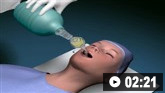

Tracheal intubation: animated demonstration

How to insert a tracheal tube in an adult using a laryngoscope.
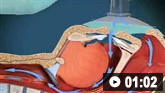


Bag-valve-mask ventilation: animated demonstration

How to use bag-valve-mask apparatus to deliver ventilatory support to adults. Video demonstrates the two-person technique.


[ Cochrane Clinical Answers logo ]

Back
1st line – 

doxycycline

Doxycycline covers common atypical pathogens as well as many of the other causes of community-acquired pneumonia. It is considered to be the first-line treatment for less common zoonotic atypical pathogens, such as Chlamydophila psittaci (psittacosis) and Coxiella burnetii (Q fever).

If the patient is unable to take drugs orally, an intravenous formulation may be available; however, the patient should be switched to oral therapy when possible.

The American Thoracic Society (ATS) recommends a treatment course of 5 days or less for nonsevere community-acquired pneumonia, with reassessment of clinical stability before stopping.​[18][32]

Primary options

doxycycline: 100 mg orally/intravenously twice daily

Back
Plus – 

supportive care

Treatment recommended for ALL patients in selected patient group

Patients should be assessed for hydration status, hemodynamic stability, and adequacy of gas exchange. Oxygen and ventilation should be started immediately if needed.


Tracheal intubation: animated demonstration

How to insert a tracheal tube in an adult using a laryngoscope.


Bag-valve-mask ventilation: animated demonstration

How to use bag-valve-mask apparatus to deliver ventilatory support to adults. Video demonstrates the two-person technique.


[ Cochrane Clinical Answers logo ]

Back
2nd line – 

fluoroquinolone

Fluoroquinolones (e.g., levofloxacin, moxifloxacin) provide coverage for all atypical pathogens, although less evidence exists for Chlamydophila species. They are the drug of choice for patients with comorbidities such as diabetes, alcoholism, chronic heart, lung, liver, or renal disease. Fluoroquinolones generally provide broader spectrum coverage than is needed for atypical bacterial pneumonia.

If the patient is unable to take drugs orally, intravenous formulations may be available; however, the patient should be switched to oral therapy when possible.

Monotherapy with a respiratory fluoroquinolone is given as an option in treatment guidelines though in practice they would usually only be used in the case of allergy or where first-line therapies are contraindicated.[32]

Use may promote emergence of fluoroquinolone resistance, and so widespread use in the community is discouraged.[32]

Systemic fluoroquinolone antibiotics may cause serious, disabling, and potentially long-lasting or irreversible adverse events. This includes, but is not limited to, tendinopathy/tendon rupture; peripheral neuropathy; arthropathy/arthralgia; aortic aneurysm and dissection; heart valve regurgitation; dysglycemia; and central nervous system effects including seizures, depression, psychosis, and suicidal thoughts and behavior.[81]​ Prescribing restrictions apply to the use of fluoroquinolones, and these restrictions may vary between countries. In general, fluoroquinolones should be restricted for use in serious, life-threatening bacterial infections only. Some regulatory agencies may also recommend that they must only be used in situations where other antibiotics, that are commonly recommended for the infection, are inappropriate (e.g., resistance, contraindications, treatment failure, unavailability). Consult your local guidelines and drug information source for more information on suitability, contraindications, and precautions.

The American Thoracic Society (ATS) recommends a treatment course of 5 days or less for nonsevere community-acquired pneumonia, with reassessment of clinical stability before stopping.​[18][32]

Primary options

levofloxacin: 750 mg orally/intravenously once daily

OR

moxifloxacin: 400 mg orally/intravenously once daily

Back
Plus – 

supportive care

Treatment recommended for ALL patients in selected patient group

Patients should be assessed for hydration status, hemodynamic stability, and adequacy of gas exchange. Oxygen and ventilation should be started immediately if needed.


Tracheal intubation: animated demonstration

How to insert a tracheal tube in an adult using a laryngoscope.


Bag-valve-mask ventilation: animated demonstration

How to use bag-valve-mask apparatus to deliver ventilatory support to adults. Video demonstrates the two-person technique.


[ Cochrane Clinical Answers logo ]

Back
Plus – 

hospitalization plus combination antibiotic therapy

Treatment recommended for ALL patients in selected patient group

In severe community-acquired pneumonia, guidelines recommend combination empiric antibiotic treatment to include coverage for atypical pathogens.[32][43]​​ See Community-acquired pneumonia in adults for more information on recommended antibiotic choices. Antibiotic treatment should be directed at the causative organism once etiology is established. 

The American Thoracic Society (ATS) recommends a minimum 5-day course for severe community-acquired pneumonia with reassessment of clinical stability before stopping.​[18][32]

Back
Consider – 

corticosteroid

Treatment recommended for SOME patients in selected patient group

The use of corticosteroids in patients with severe community-acquired pneumonia has been a long-debated issue. A 2025 guidance from the American Thoracic Society(ATS) recommend that corticosteroid use be considered in cases of severe community-acquired pneumonia. This recommendation excludes patients with severe community-acquired pneumonia caused by influenza pneumonia.[18]​ Current guidelines recommend against the use of corticosteroids in patients with nonsevere community-acquired pneumonia. This recommendation is based on the fact that there are no data suggesting benefit in patients with nonsevere community-acquired pneumonia, or influenza pneumonia, with respect to mortality or organ failure, and only limited data to support their use in patients with severe community-acquired pneumonia.[32] However, Surviving Sepsis Campaign guidelines acknowledge that they may be considered in patients with refractory septic shock and an ongoing requirement for vasopressor therapy.[71]

A study from Japan suggests that corticosteroids may not offer any advantage in the treatment of M pneumoniae pneumonia.[79] However, adjunct corticosteroid therapy has been found to significantly reduce the duration of fever, length of hospital stay, and decreased CRP levels in patients with macrolide-refractory M pneumoniae.[80]

presumed atypical bacterial pneumonia: pregnant or child

Back
1st line – 

macrolide

Macrolides (e.g., azithromycin, clarithromycin) cover all common atypical pathogens as well as many of the other causes of community-acquired pneumonia. However, local resistance patterns should be taken into account before selecting a macrolide as an option, particularly in outpatient settings.[18]

If the patient is unable to take drugs orally, intravenous formulations may be available; however, the patient should be switched to oral therapy when possible.

The American Thoracic Society (ATS) recommends a treatment course of 5 days or less for nonsevere community-acquired pneumonia in adults, with reassessment of clinical stability before stopping.​[18][32] Check your local protocol for advice on the duration of antibiotic therapy in children. See Community-acquired pneumonia in children.

Primary options

azithromycin: children ≥3 months of age: 10 mg/kg orally once daily on day 1, followed by 5 mg/kg once daily, maximum 500 mg/day; adults: 500 mg intravenously/orally once daily on day 1, followed by 500 mg intravenously every 24 hours or 250 mg orally once daily

OR

erythromycin lactobionate: children ≥3 months of age: 20 mg/kg/day intravenously given in divided doses every 6 hours, maximum 4000 mg/day; adults: 15-20 mg/kg/day intravenously given in divided doses every 6 hours, maximum 4000 mg/day

OR

erythromycin base: children ≥3 months of age: 40 mg/kg/day orally given in 4 divided doses, maximum 2000 mg/day; adults: 500 mg orally four times daily

OR

clarithromycin: children ≥3 months of age: 7.5 mg/kg orally twice daily, maximum 1000 mg/day; adults: 1000 mg orally (extended-release) once daily, or 500 mg orally (immediate-release) twice daily

Back
Plus – 

supportive care

Treatment recommended for ALL patients in selected patient group

Patients should be assessed for hydration status, hemodynamic stability, and adequacy of gas exchange. Oxygen and ventilation should be started immediately if needed.


Tracheal intubation: animated demonstration

How to insert a tracheal tube in an adult using a laryngoscope.


Bag-valve-mask ventilation: animated demonstration

How to use bag-valve-mask apparatus to deliver ventilatory support to adults. Video demonstrates the two-person technique.


[ Cochrane Clinical Answers logo ]

Back
2nd line – 

fluoroquinolone

Consult a specialist for guidance if an alternative treatment option is required.

If a patient has a macrolide resistant Mycoplasma pneumoniae infection, a fluoroquinolone may be considered as an alternative treatment, provided the benefits outweigh the risks, and there are no other appropriate treatment options available. Fluoroquinolones should not be used in pregnancy unless the potential benefits outweigh the risks.

If the patient is unable to take drugs orally, intravenous formulations may be available; however, the patient should be switched to oral therapy when possible.

Systemic fluoroquinolone antibiotics may cause serious, disabling, and potentially long-lasting or irreversible adverse events. This includes, but is not limited to, tendinopathy/tendon rupture; peripheral neuropathy; arthropathy/arthralgia; aortic aneurysm and dissection; heart valve regurgitation; dysglycemia; and central nervous system effects including seizures, depression, psychosis, and suicidal thoughts and behavior.[81]​ Prescribing restrictions apply to the use of fluoroquinolones, and these restrictions may vary between countries. In general, fluoroquinolones should be restricted for use in serious, life-threatening bacterial infections only. Some regulatory agencies may also recommend that they must only be used in situations where other antibiotics, that are commonly recommended for the infection, are inappropriate (e.g., resistance, contraindications, treatment failure, unavailability). Consult your local guidelines and drug information source for more information on suitability, contraindications, and precautions.

Check your local protocol for advice on the duration of antibiotic therapy in children. See Community-acquired pneumonia in children.

Primary options

levofloxacin: children ≥6 months to 4 years of age: 8-10 mg/kg orally/intravenously every 12 hours, maximum 750 mg/day; children ≥5 years of age: 8-10 mg/kg/day orally/intravenously every 24 hours, maximum 750 mg/day

Back
Plus – 

supportive care

Treatment recommended for ALL patients in selected patient group

Patients should be assessed for hydration status, hemodynamic stability, and adequacy of gas exchange. Oxygen and ventilation should be started immediately if needed.


Tracheal intubation: animated demonstration

How to insert a tracheal tube in an adult using a laryngoscope.


Bag-valve-mask ventilation: animated demonstration

How to use bag-valve-mask apparatus to deliver ventilatory support to adults. Video demonstrates the two-person technique.


[ Cochrane Clinical Answers logo ]

Back
Plus – 

hospitalization plus combination antibiotic therapy

Treatment recommended for ALL patients in selected patient group

In severe community-acquired pneumonia, guidelines recommend combination empiric antibiotic treatment to include coverage for atypical pathogens.[32][43]​​ See Community-acquired pneumonia in adults and Community-acquired pneumonia in children for more information on recommended antibiotic choices.

Antibiotic treatment should be directed at the causative organism once etiology is established.

The American Thoracic Society (ATS) recommends a minimum 5-day course for severe community-acquired pneumonia with reassessment of clinical stability before stopping.​[18][32]​ Check your local protocol for advice on the duration of antibiotic therapy in children. See Community-acquired pneumonia in children.

back arrow

Choose a patient group to see our recommendations

Please note that formulations/routes and doses may differ between drug names and brands, drug formularies, or locations. Treatment recommendations are specific to patient groups. See disclaimer

Use of this content is subject to our disclaimer