Summary
Definition
History and exam
Key diagnostic factors
- painless jaundice
- weight loss
- abdominal pain
Other diagnostic factors
- pruritus
- triad of fever, jaundice, and right upper quadrant pain
- palpable gallbladder
- hepatomegaly
- dark urine
- pale stools
- asymptomatic
Risk factors
- age >50 years
- cholangitis
- choledocholithiasis
- cholecystolithiasis
- other structural disorders of the biliary tract
- ulcerative colitis
- primary sclerosing cholangitis
- nonspecific cirrhosis
- alcohol-related liver disease
- liver fluke infection
- chronic typhoid carrier
- hepatitis C virus
- HIV
- hepatitis B virus
- exposure to thorium dioxide
- diabetes
- cigarette smoking
- exposure to toxins/drugs
- male sex
Diagnostic tests
1st tests to order
- serum bilirubin
- serum alkaline phosphatase
- serum gamma-GT
- serum aminotransferase
- serum prothrombin time
- serum CA 19-9
- serum carcinoembryonic antigen
- serum CA-125
- alpha-fetoprotein
- multiphase CT of abdomen/pelvis
- multiphase MRI of abdomen/pelvis
- chest CT with/without contrast
- contrast-enhanced ultrasound
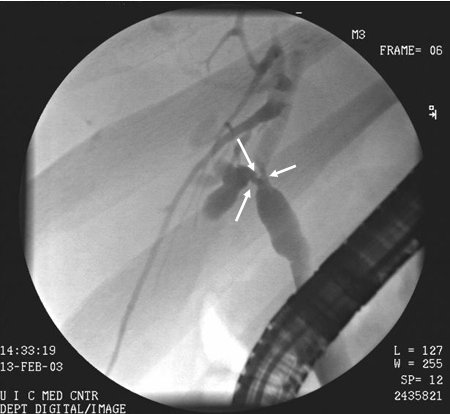
- cholangiography
Tests to consider
- esophagogastroduodenoscopy
- colonoscopy
- serological tests for viral hepatitis
- serum IgG4
- endoscopic ultrasound
- positron emission tomography
- molecular tests
Treatment algorithm
intrahepatic cholangiocarcinoma
extrahepatic cholangiocarcinoma: perihilar
extrahepatic cholangiocarcinoma: distal
Contributors
Authors
N. Joseph Espat, MD, MS, FACS
Emeritus Professor of Surgery
Department of Surgery
Boston University School of Medicine
Providence, RI
Disclosures
NJE declares he has no competing interests.
Sung (Steve) Kwon, MD MPH MBA FACS FSSO
Associate Professor of Surgery
Department of Surgery, Division of Surgical Oncology
Yale University School of Medicine
New Haven, CT
Disclosures
SK declares he has no competing interests.
Acknowledgements
Dr N. Joseph Espat and Dr Sung Kwon would like to gratefully acknowledge Dr Ponnandai Somasundar, the previous contributor to this topic, and Best Practice. Gastroenterology expert panel member, Dr Brooks Cash, for his contribution to this topic.
Disclosures
PS and BC declare that they have no competing interests.
Peer reviewers
Eliza W. Beal, MD, MS
Assistant Professor/Surgical Oncologist
Karmanos Cancer Institute
Wayne State University
Detroit, MI
Disclosures
EWB declares that she has no competing interests.
Satvinder Mudan, MBBS, BSc, MD, FRCS
Consultant in Surgical Oncology
The Royal Marsden Hospital
London
UK
Disclosures
SM declares that he has no competing interests.
Peer reviewer acknowledgements
BMJ Best Practice topics are updated on a rolling basis in line with developments in evidence and guidance. The peer reviewers listed here have reviewed the content at least once during the history of the topic.
Disclosures
Peer reviewer affiliations and disclosures pertain to the time of the review.
References
Key articles
National Comprehensive Cancer Network. NCCN clinical practice guidelines in oncology: biliary tract cancers [internet publication].Full text
European Association for the Study of the Liver. EASL clinical practice guidelines on the management of extrahepatic cholangiocarcinoma. J Hepatol. 2025 Jul;83(1):211-38.Full text Abstract
European Association for the Study of the Liver. EASL-ILCA clinical practice guidelines on the management of intrahepatic cholangiocarcinoma. J Hepatol. 2023 Jul;79(1):181-208.Full text Abstract
Bowlus CL, Arrivé L, Bergquist A, et al. AASLD practice guidance on primary sclerosing cholangitis and cholangiocarcinoma. Hepatology. 2023 Feb 1;77(2):659-702.Full text Abstract
Reference articles
A full list of sources referenced in this topic is available to users with access to all of BMJ Best Practice.
Differentials
- Hepatocellular carcinoma
- Ampullary carcinoma
- Pancreatic carcinoma
More DifferentialsGuidelines
- NCCN clinical practice guidelines in oncology: biliary tract cancers
- EASL clinical practice guidelines on the management of extrahepatic cholangiocarcinoma
More Guidelines Log in or subscribe to access all of BMJ Best Practice
Use of this content is subject to our disclaimer