Summary
Definition
History and exam
Key diagnostic factors
- diarrhea
- flushing
Other diagnostic factors
- palpitations
- abdominal cramps
- telangiectasia
- signs of right heart failure
- cardiac murmurs
- hepatomegaly
- wheeze
- pellagra
- abdominal masses
Risk factors
- genetic multiple endocrine neoplasia type 1 (MEN-1) syndrome
Diagnostic tests
1st tests to order
- serum chromogranin A/B
- urinary 5-hydroxyindoleacetic acid
- metabolic panel
- liver function tests
- complete blood count
Tests to consider
- CT chest, abdomen, and pelvis with dual-phase liver
- bronchoscopy
- endoscopy
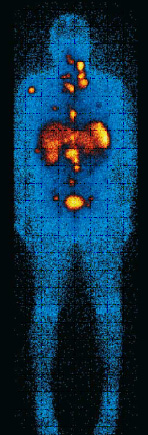
- somatostatin receptor scintigraphy ± somatostatin single photon emission CT (SPECT)
- iodine I-123 metaiodobenzylguanidine (MIBG) scintigraphy
- histology
- somatostatin receptor positron emission tomography (SSTR-PET) or fludeoxyglucose F-18 (FDG)
Treatment algorithm
localized disease
metastatic disease
Contributors
Authors
Rajaventhan Srirajaskanthan, BSc (Hons), MD (Res), FRCP
Consultant Gastroenterologist
Neuroendocrine Tumour Unit
Kings College Hospital
London
UK
Disclosures
RS has received research grants from Novartis and Ipsen, and has been part of the speakers bureau for Ipsen, Novartis, Terumo and ITM.
Martyn Caplin, BSc, DM, FRCP
Professor
Consultant in Hepatobiliary and Gastroenterology
Neuroendocrine Tumour Unit
Royal Free Hospital
London
UK
Disclosures
MC has received speaker honoraria from and is on the advisory boards for Novartis, Ipsen, Lexicon, and Pfizer.
Peer reviewers
Wail Malaty, MD
Clinical Professor
Department of Family Medicine
University of North Carolina
Chapel Hill
Assistant Program Director
MAHEC Rural Family Medicine Residency
Hendersonville
NC
Disclosures
WM declares that he has no competing interests.
Rajesh K. Garg, MD
Instructor in Medicine
Brigham and Women's Hospital
Division of Endocrinology
Diabetes and Hypertension
Boston
MA
Disclosures
RKG declares that he has no competing interests.
Peer reviewer acknowledgements
BMJ Best Practice topics are updated on a rolling basis in line with developments in evidence and guidance. The peer reviewers listed here have reviewed the content at least once during the history of the topic.
Disclosures
Peer reviewer affiliations and disclosures pertain to the time of the review.
References
Key articles
National Comprehensive Cancer Network. NCCN clinical practice guidelines in oncology: neuroendocrine and adrenal tumors [internet publication].Full text
North American Neuroendocrine Tumor Society. NANETS guidelines. 2022 [internet publication].Full text
Grozinsky-Glasberg S, Davar J, Hofland J, et al. European Neuroendocrine Tumor Society (ENETS) 2022 guidance paper for carcinoid syndrome and carcinoid heart disease. J Neuroendocrinol. 2022 Jul;34(7):e13146.Full text
Perez K, Del Rivero J, Kennedy EB, et al. Symptom management for well-differentiated gastroenteropancreatic neuroendocrine tumors: ASCO guideline. JCO Oncol Pract. 2025 May 9;:OP2500133.Full text Abstract
Reference articles
A full list of sources referenced in this topic is available to users with access to all of BMJ Best Practice.
Differentials
- Irritable bowel syndrome (IBS)
- Crohn disease
- Menopause
More DifferentialsGuidelines
- Symptom management for well-differentiated gastroenteropancreatic neuroendocrine tumors: ASCO guideline
- NCCN clinical practice guidelines in oncology: neuroendocrine and adrenal tumors
More Guidelines Log in or subscribe to access all of BMJ Best Practice
Use of this content is subject to our disclaimer