Summary
Definition
History and exam
Key diagnostic factors
- pelvic mass
- ascites
- pleural effusion
Other diagnostic factors
- gastrointestinal symptoms
- urinary urgency or frequency
- symptom duration >3 months
- abdominal distention
- pelvic/abdominal pain or pressure
Risk factors
- genetic mutations associated with hereditary ovarian cancer
- increasing age
- family history of ovarian, breast, and/or other cancers
- never used combined oral contraceptives
- nulliparity
- obesity
- hormone therapy
- endometriosis
Diagnostic tests
1st tests to order
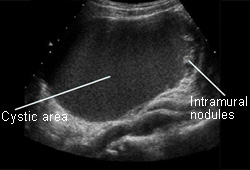
- pelvic ultrasound
- CA-125
- histopathology
Tests to consider
- genetic testing
- MRI
- CT scan
- fluorodeoxyglucose (FDG) PET-CT or FDG PET-MRI
- biomarker tests
Treatment algorithm
surgical candidate, intraoperative histology confirmed disease
poor surgical candidate, biopsy confirmed disease
platinum-sensitive recurrent disease
platinum-resistant recurrent or refractory disease
Contributors
Authors
Sareena Singh, MD
Gynecologic Oncologist
Aultman Medical Group
Northeast Ohio Medical University
Canton
OH
Disclosures
SS declares that she has no competing interests.
Acknowledgements
Dr Sareena Singh would like to gratefully acknowledge Dr Justin C. Chura and Dr Allison E. Axtell, previous contributors to this topic.
Disclosures
JCC and AEA declare that they have no competing interests.
Peer reviewers
Michael P. Hopkins, MD, MEd
Chairman
Obstetrics and Gynecology
Northeast Ohio Universities of Medicine (NEOMED)
Rootstown
OH
Disclosures
MPH declares that he has no competing interests.
Ritu Salani, MD
Gynecologic Oncology Fellow
Johns Hopkins Medical Institutions
Baltimore
MD
Disclosures
RS declares that she has no competing interests.
Susan A. Davidson, MD
Associate Professor
Chief, Gynecologic Oncology
Department of Obstetrics & Gynecology (UCD)
University of Colorado Cancer Center
Aurora
CO
Disclosures
SAD declares that she has no competing interests.
Khadra Galaal, MBChB, MPH, MRCOG
Consultant Gynaecological Oncologist
Northern Gynaecological Oncology Centre
Queen Elizabeth Hospital
Gateshead
UK
Disclosures
KG is co-author of a systematic review of follow-up strategies after primary treatment in ovarian cancer. This is not referenced in this topic.
Jill Tseng, MD
Assistant Clinical Professor of Gynecologic Oncology
University of California, Irvine
Orange
CA
Disclosures
JT declares that she has no competing interests.
Peer reviewer acknowledgements
BMJ Best Practice topics are updated on a rolling basis in line with developments in evidence and guidance. The peer reviewers listed here have reviewed the content at least once during the history of the topic.
Disclosures
Peer reviewer affiliations and disclosures pertain to the time of the review.
References
Key articles
National Comprehensive Cancer Network. NCCN clinical practice guidelines in oncology: ovarian cancer including fallopian tube cancer and primary peritoneal cancer [internet publication].Full text
González-Martín A, Harter P, Leary A, et al. Newly diagnosed and relapsed epithelial ovarian cancer: ESMO clinical practice guideline for diagnosis, treatment and follow-up. Ann Oncol. 2023 Oct;34(10):833-48.Full text Abstract
Gaillard S, Lacchetti C, Armstrong DK, et al. Neoadjuvant chemotherapy for newly diagnosed, advanced ovarian cancer: ASCO guideline update. J Clin Oncol. 2025 Mar;43(7):868-91.Full text Abstract
Renz M, Friedlander M, Berek JS. Cancer of the ovary, fallopian tube, and peritoneum: 2025 update. Int J Gynaecol Obstet. 2025 Sep;171(suppl 1):6-35.Full text Abstract
Tew WP, Lacchetti C, Kohn EC, et al. Poly(ADP-Ribose) polymerase inhibitors in the management of ovarian cancer: ASCO guideline rapid recommendation update. J Clin Oncol. 2022 Nov 20;40(33):3878-81.Full text Abstract
Reference articles
A full list of sources referenced in this topic is available to users with access to all of BMJ Best Practice.
Differentials
- Irritable bowel syndrome (IBS)
- Metastases to the ovary
- Endometriosis
More DifferentialsGuidelines
- ACR appropriateness criteria: staging and follow-up of ovarian cancer
- Neoadjuvant chemotherapy for newly diagnosed, advanced ovarian cancer: ASCO guideline update
More GuidelinesPatient information
Ovarian cancer: what is it?
Ovarian cancer: what are the treatment options?
More Patient information Log in or subscribe to access all of BMJ Best Practice
Use of this content is subject to our disclaimer